Children unlawfully placed in security cells in several Norwegian prisons
A new investigation by the Norwegian Parliamentary Ombud shows that children have been unlawfully isolated in security cells on several occasions over the past ten years. A number of cases involve children at risk of self-harm.
Published: 17.11.2026
Last updated: 17.11.2026
The Norwegian Parliamentary Ombud has examined decisions concerning the use of security cells and restraint beds for children in all Norwegian prisons between 2016 and 2025. The investigation followed serious findings at Ungdomsenhet vest.
The investigation shows that the Norwegian Correctional Service has made unlawful decisions for several years.
In more than half of the security cell decisions examined by the Ombud, prisons referred to the conditions applicable to adults, thereby applying a lower threshold than permitted by law.
“It is remarkable that prisons have placed children in security cells for years without complying with the conditions laid down in law by the Norwegian Parliament,” says Parliamentary Ombud Hanne Harlem.
The higher threshold for the use of security cells for children was introduced through a legislative amendment in 2015.
“Isolation in a security cell is even more harmful to children’s health than to adults’ health,” says Harlem.
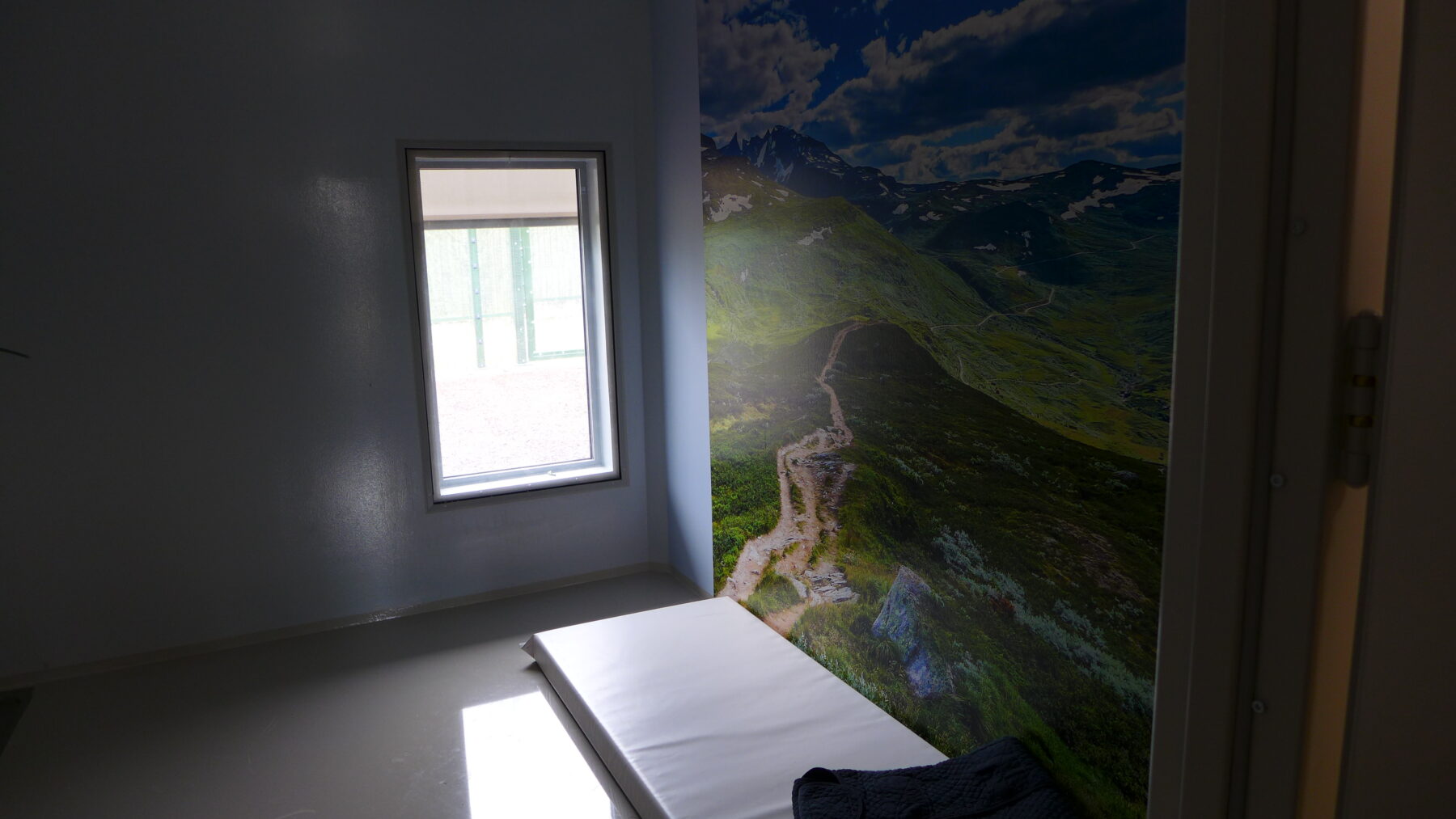
Security cells involve complete isolation from other people in a bare cell. This is one of the most intrusive coercive measures that prisons can use.
Particularly vulnerable children
Thirty per cent of the decisions examined concerning the use of security cells were wholly or partly justified by the risk of self-harm.
“It is alarming that a child who has just attempted to harm themselves or take their own life is placed alone in a security cell. Isolation in itself increases the risk of suicide and mental disorders,” says Harlem.
Lack of oversight
The Norwegian Parliamentary Ombud has received 70 decisions concerning security cells and two decisions concerning restraint beds from the Directorate of the Norwegian Correctional Service. In addition, we have received information about three cases in which children were unlawfully isolated in security cells without a formal decision.
The investigation has revealed that the Norwegian Correctional Service does not have an overview of decisions concerning the use of coercive measures. There are major shortcomings in internal controls relating to the use of coercive measures against children. It must therefore be assumed that there may have been more placements of children in security cells during the period than the 73 placements brought to the Ombud’s attention.
It is a serious matter that no one in the Norwegian Correctional Service has had an overview of the most intrusive form of coercion used against children over the past ten years.
Use of bodycuffs and pepper spray
In more than half of the decisions, there was no assessment or mention of the best interests of the child.
The investigation showed, among other things, that 15-year-olds had been subjected to pepper spray and bodycuffs in connection with placement in security cells.
Bodycuffs consist of handcuffs and straps fastened around both the ankles and wrists.