New report: Prisoners deprived of essential healthcare
A new report by the Norwegian NPM reveals repeated and serious shortcomings in the healthcare provided to prisoners in Norwegian prisons.
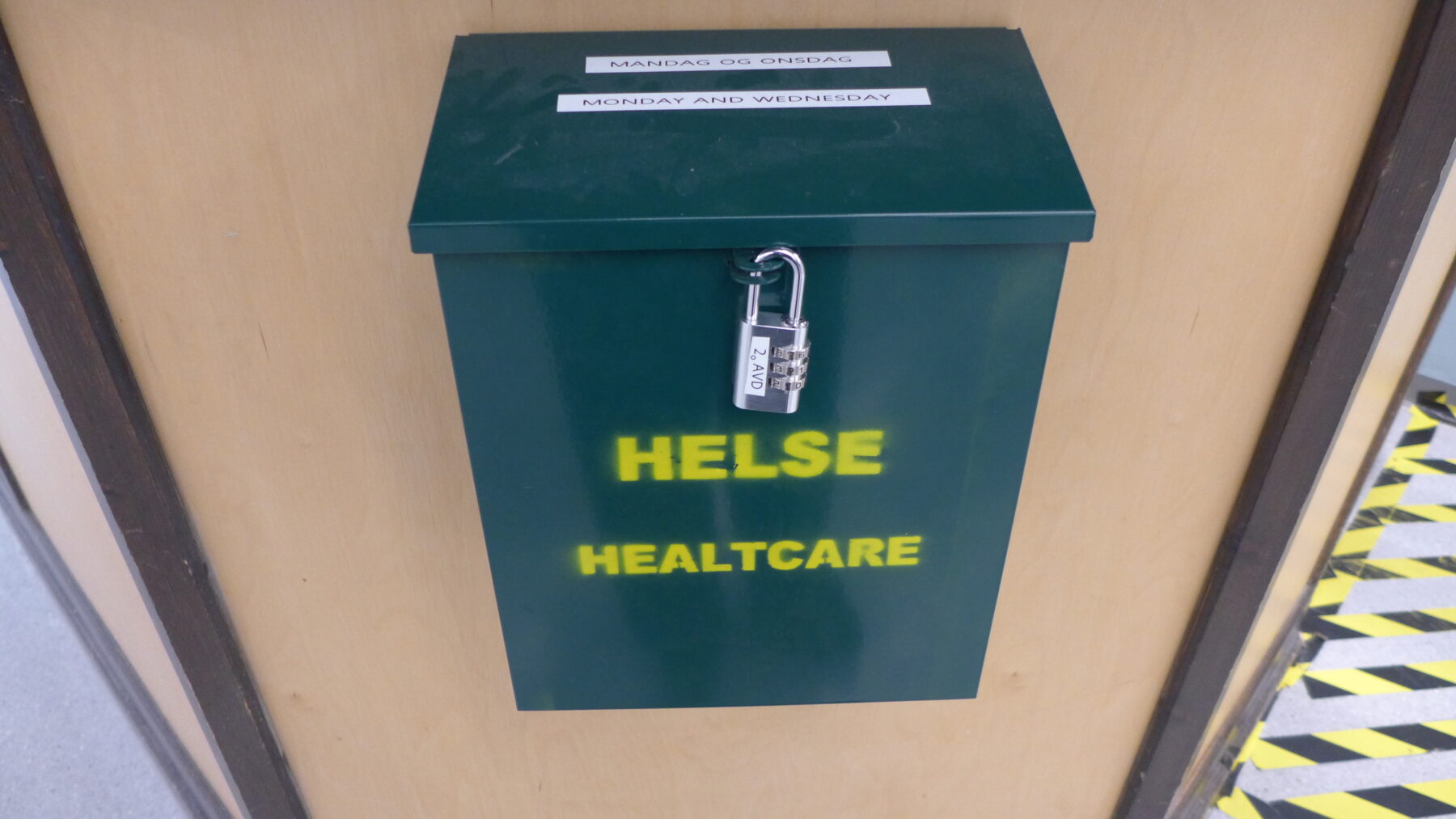
Published: 19.6.2026
Last updated: 19.6.2026
The report presents the Parliamentary Ombud’s findings from 15 prison monitoring visits and investigations conducted between 2023 and 2025.
A higher proportion of prisoners have serious health problems than the general population, and isolation in itself poses a risk of harm to health.
“This places additional demands on prison healthcare services, and we see a clear risk that prisoners are not receiving the healthcare they are entitled,” says Parliamentary Ombud Hanne Harlem.
Read the full report: Healthcare services for prisoners 2026
Inadequate follow-up of suicide risk
In more than half of the prisons examined, the healthcare units did not carry out systematic suicide risk assessments.
“This is critical because the risk of suicide is elevated among prisoners, partly due to poor mental health and substance misuse,” says Harlem.
Failure to provide prisoners with healthcare may have serious consequences and, in the worst cases, lead to serious illness and death. In 2024, Norway was found in violation by the European Court of Human Rights (ECtHR) following the suicide of a prisoner. The prisoner had received only limited supervision and treatment.
The Parliamentary Ombud identified several cases of inadequate follow-up of prisoners at risk of suicide or prisoners with extensive health and care needs.
Prisoners with care needs did not receive required assistance
One example concerned a prisoner who required round-the-clock care but received no assistance outside the healthcare unit’s opening hours. The prisoner needed help with eating, drinking, changing incontinence pads, getting dressed, showering and using the toilet, and had been left lying in their own faeces for several hours.
“The shortcomings identified in the report are largely linked to insufficient knowledge of prisoners’ health problems, staffing, and inadequate cooperation between the Norwegian Correctional Service and the healthcare services,” says Harlem.
At two prisons, the Parliamentary Ombud found that pepper spray had been used on prisoners held in security cells on several occasions without follow-up assessment by healthcare personnel, or only after a considerable delay. At one prison, it also emerged that a prisoner who had been sprayed with pepper spray had remained handcuffed while in the security cell. These findings underline the importance of healthcare personnel attending prisoners in security cells without delay.
Harmful solation
Isolation in a security cell is in itself highly distressing. In almost all of the prisons, there were examples of prisoners held in isolation who did not receive daily visits from healthcare personnel.
Bacground
- The report is based on 15 prison monitoring visits and investigations conducted between 2023 and 2025.
- The risk of harm to health caused by isolation is why the European Court of Human Rights has, in a number of judgments, held that a failure to ensure healthcare follow-up for prisoners held in isolation may amount to a violation of the prohibition of torture and inhuman or degrading treatment.
- A security cell involves complete isolation in a stripped concrete cell.
- The Parliamentary Ombud’s National Preventive Mechanism carries out regular visits to places where people are deprived of their liberty and makes recommendations aimed at preventing torture and inhuman or degrading treatment.
- The prisons visited by the Parliamentary Ombud were Bredtveit and Ullersmo Prison (Zulu East Unit), Halden Prison, Froland Prison, Bodø Prison, Ringerike Prison, Trondheim Prison and Preventive Detention Centre (Nermarka Unit), Indre Østfold Prison (Eidsberg Unit), Ålesund Prison, Stavanger Prison, Oslo Prison, Åna Prison, Agder Prison, Romerike Prison (Ullersmo Unit and Mandal Unit), Telemark Prison (Skien Unit), and Bjørgvin Prison (Juvenile Unit).